
Front row seats to the Greatest Shoal on Earth
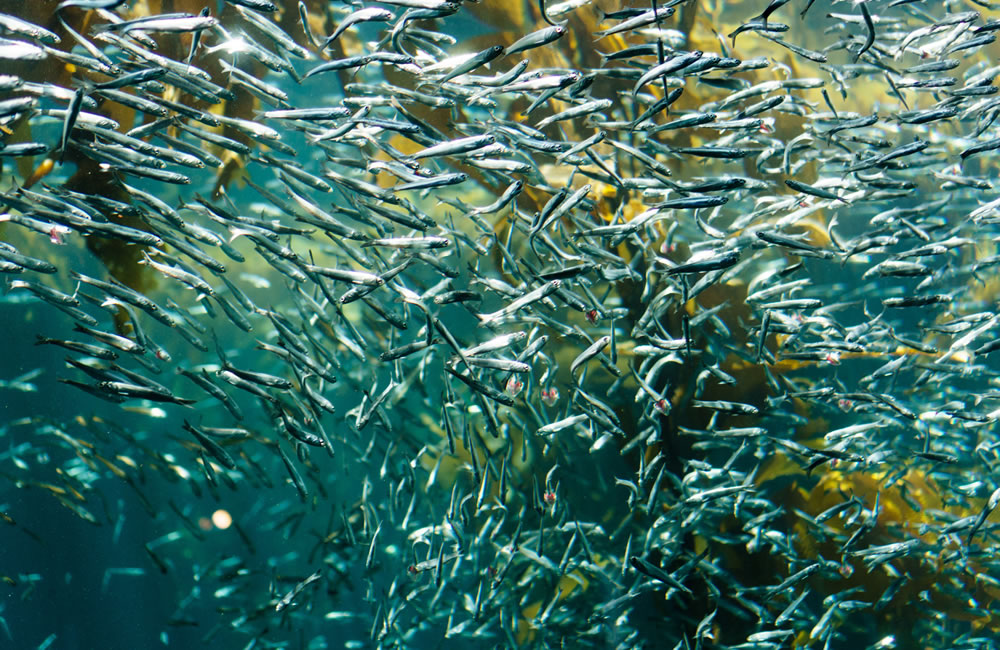
Image by pixaoppa from Pixabay
During the autumn and winter months from May to July, the KZN South Coast is host to one of the most spectacular wildlife spectacles on earth.
During this time of the year, the coastline is the place to be to witness the famous Sardine Run, a natural phenomenon that draws a massive concentration of marine life and birds close to the shore. For nature lovers, photographers, and birdwatchers, this is the best time of year to experience the region’s ocean and beach ecosystems at their most dramatic.
The Sardine Run: the heart of this annual migration
Between May and July, millions of sardines move north along the South African east coast, hugging the shoreline of the Eastern Cape and KZN. This migration – often called “the greatest shoal on Earth” – is driven by cold ocean currents and creates a dense, moving food source that attracts predators from across the marine food chain.
What makes the KZN South Coast unique is that these shoals often come close enough to the shore to be visible from the beaches. When conditions are perfect: currents and lower water temperatures, the sardines can be seen just beyond the breakers, and may even beach themselves on the sand.
Marine life following the sardines
The sardines attract a variety of predators that include dolphins and sharks, and let’s not forget the marine bird species who circle the air, swooping down to feast on easy prey, available in abundance in the shallow waters.
Dolphins: The sardine herders
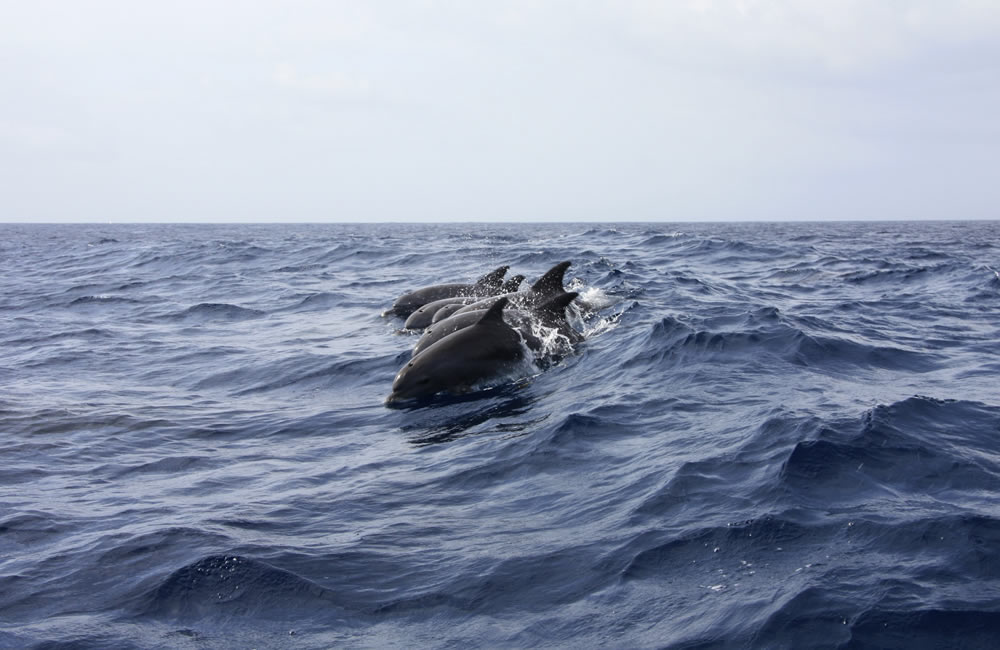
Image by Gilles Lagnel from Pixabay
One of the most common marine mammals sighted during this period is the common dolphin. Large schools of dolphins work together to herd sardines into tightly-packed “bait balls.” This coordinated hunting behaviour creates splashing and ripples – visible to us on the ocean’s surface.
Sharks: the predators
The sardine run attracts a wide variety of shark species, including bronze whaler, blacktip, dusky, and spinner sharks. These predators move quickly through the bait balls in regular feeding bursts, sometimes visible from the shore when the action is close enough. While their presence may sound terrifyingly dangerous, they are usually focused on the sardines, and not looking for a human meal.
Whales: the giants of the ocean
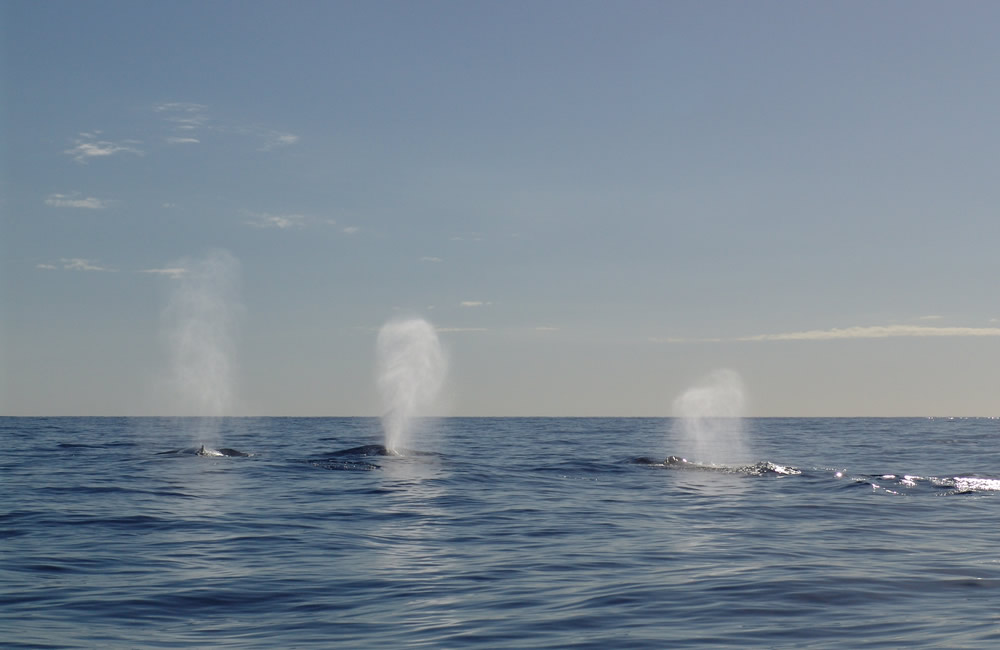
Humpback Whales. Image by thara58 from Pixabay
Winter is also the migration period of humpback whales along the KZN coast. These whales are travelling north to breed and calve, and they are often seen frolicking in the bays in small groups of two or three. Occasionally, they intersect with sardine shoals, creating unforgettable scenes as massive whales surge through dense schools of fish.
Other marine life
In addition to dolphins, sharks, and whales, the sardine run attracts seals, large predatory fish, and even occasional sightings of orcas. The diversity of species during this time makes the KZN South Coast one of the richest temporary marine ecosystems in the world.
Bird life along the coast
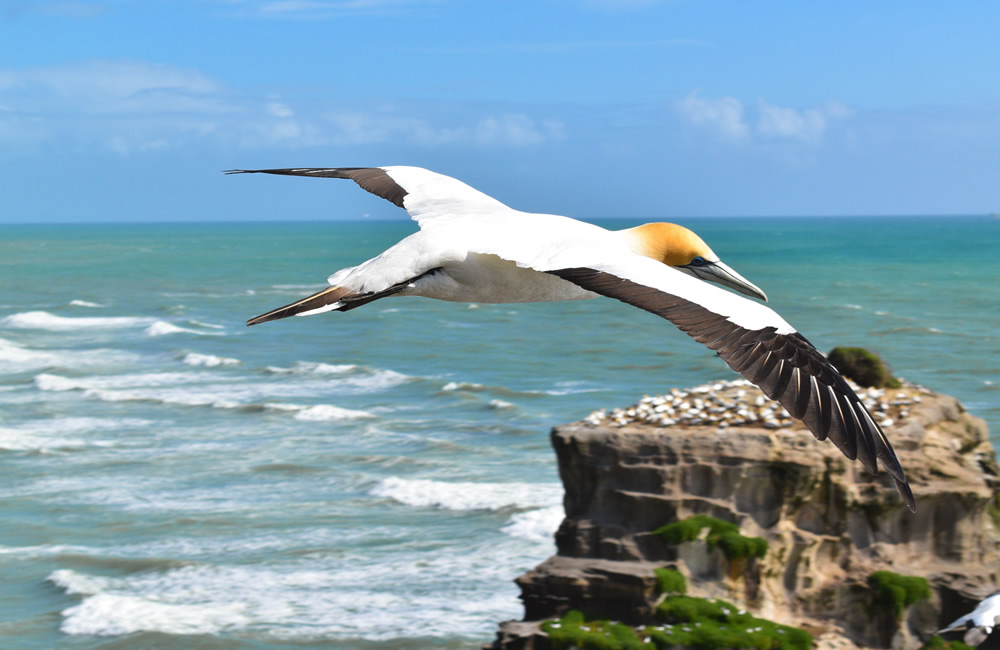
Cape Gannet. Image by Yathursan Gunam from Pixabay
The sky above the Sardine Run is just as active as the ocean below. Marine birds appear in their thousands to take advantage of the feeding opportunities created by the sardine shoals.
Cape Gannets are the most spectacular birds to watch. They dive from heights at speeds of up to 90 km per hour, swooping down into the ocean to grab easy prey. Their presence is often one of the clearest indicators that a sardine shoal is nearby.
Various gull and tern species circle and plunge into the water, competing for the sardines driven to the surface by dolphins and sharks. Large flocks often gather above feeding events, creating a noisy, swirling mass of activity visible from far away.
A short distance away from the feeding frenzy, a variety of waders and coastal birds can be seen on quieter stretches of beach. While less dramatic than the sardine run action, these species add to the biodiversity of the region and are best observed during calmer periods between feeding events.
Best places to view marine and bird life
The KZN South Coast offers some excellent viewing spots for observing this dramatic wildlife phenomenon. Some of these locations are well-known for guaranteed sightings and accessibility when the sardines are in town:
Hibberdene to Port Edward
The lower South Coast – from Hibberdene in the north to lower down south to Port Edward – offers numerous viewing points (elevated viewing decks and quiet beaches) to spot bird flocks and follow the movement of shoals.
Aliwal Shoal (Umkomaas Area)
Situated about five kilometres offshore near Umkomaas, Aliwal Shoal is one of South Africa’s most famous dive sites. During the sardine run, it becomes a hotspot for sharks and other predators. While mainly a diving destination, nearby beaches and launch sites provide good opportunities for surface sightings.
Protea Banks (Between Shelly Beach and Margate)
Protea Banks, situated offshore between Shelly Beach and Margate, is another prime location for marine activity. The surrounding coastline offers great elevated viewpoints for bird activity and ocean surface disturbances.
Margate, Shelly Beach, and Uvongo
These popular coastal towns are among the best places for viewing the Sardine Run from the beach. Sardine shoals sometimes come very close to the shore, allowing spectators to witness the action from the sand. Early mornings are often the best times, especially when the birds begin diving.
Tips for wildlife viewing
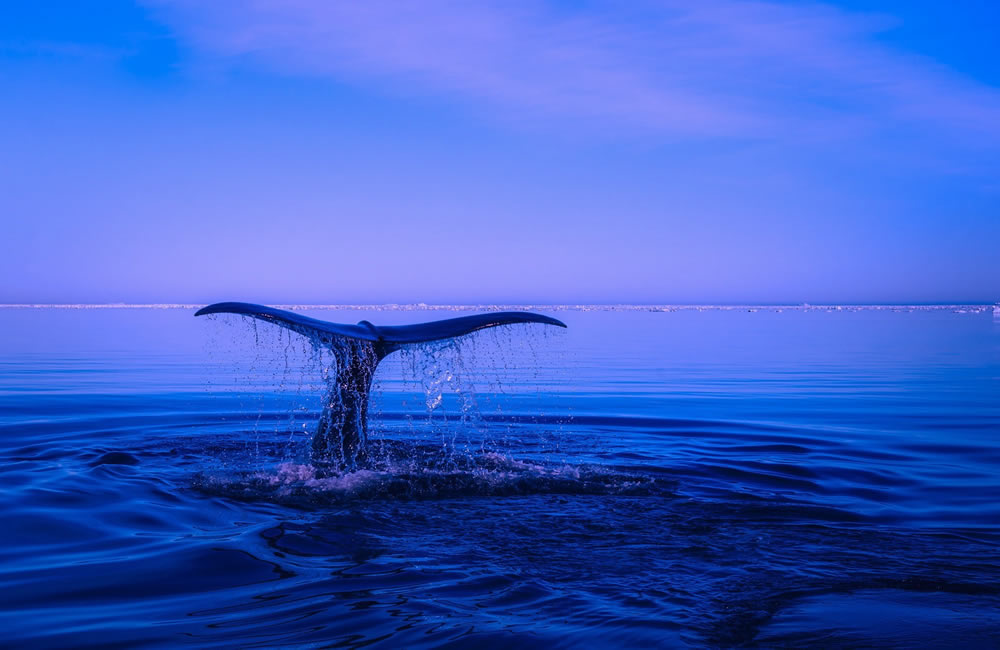
Humpback Whale. Image by Pixabay
To make the most of the experience, timing and observation skills are the key. The sardine run is totally dependent on environmental conditions and does not occur with the same intensity every year.
Look for signs like:
- Large flocks of diving birds
- Churning or discoloured water
- Fast moving groups of dolphins
- Local fishing or netting activity
Binoculars are highly recommended, as they allow you to scan the horizon and detect activity before it becomes visible to the naked eye.
From May to July, the KwaZulu-Natal South Coast becomes a living documentary of ocean life. The sardine run draws dolphins, sharks, whales, and marine birds in a rare convergence, all driven by the movement of a single species of fish. Whether viewed from the beach or a boat, it’s a spectacular experience you will never forget – a reminder of the power and interconnectedness of marine ecosystems.
ABOUT THE AUTHOR
Sasha Wyatt-Minter