
Have a whale of a time on the South Coast this winter
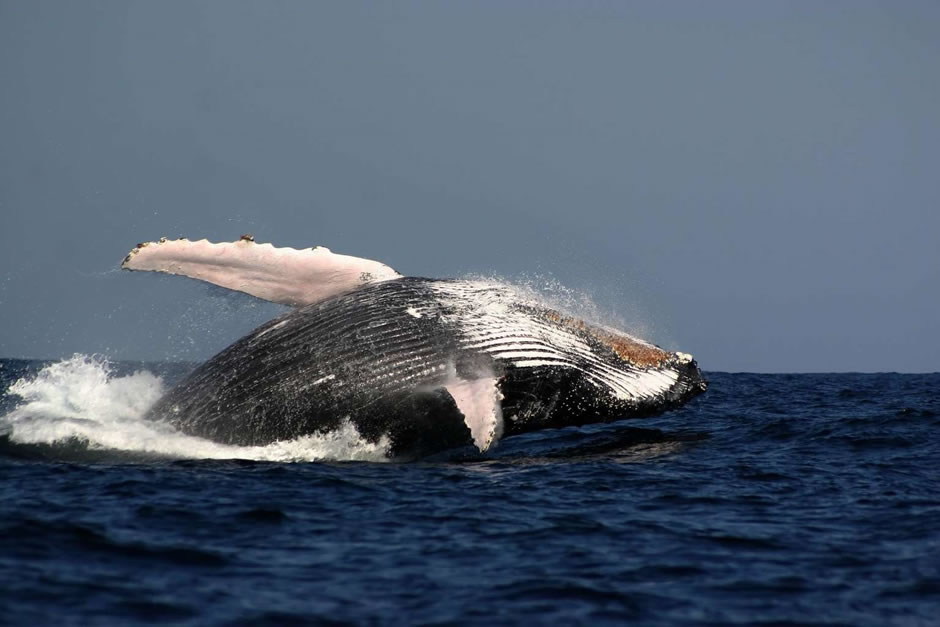
Image: visitkznsouthcoast.co.za
From May to October every year, the KwaZulu-Natal South Coast offers one of the most breathtaking whale-watching destinations in the country. As winter approaches, Humpback and Southern Right whales embark on their epic migration from the cold feeding grounds of Antarctica to the warmer waters of the Indian Ocean. This winter, this natural spectacle is set to be as majestic as ever, offering visitors unforgettable sightings along one of the most scenic coastlines in Africa.
A magical migration display
The biggest stars of the season are Humpback whales, accompanied by Southern Right whales. These gentle giants migrate thousands of kilometers to breed and calve in the subtropical waters off the coast of Southern Africa.
Humpbacks are known for their acrobatic displays – leaping out of the water, slapping their fins and tails, and producing hauntingly beautiful songs that can be heard underwater for miles. The Southern Right whale is less of a performance artist but just as magnificent to experience. They are often seen rolling in the waves and feeding their young near the surface of the water.
From May, early groups of humpbacks begin to pass the KZN South Coast. Peak sightings typically occur from June to September, when 30 or more whales can be seen in a single day. By October, they start their return journey south, often accompanied by calves born earlier in the season.
What makes the South Coast the perfect place to whale watch?
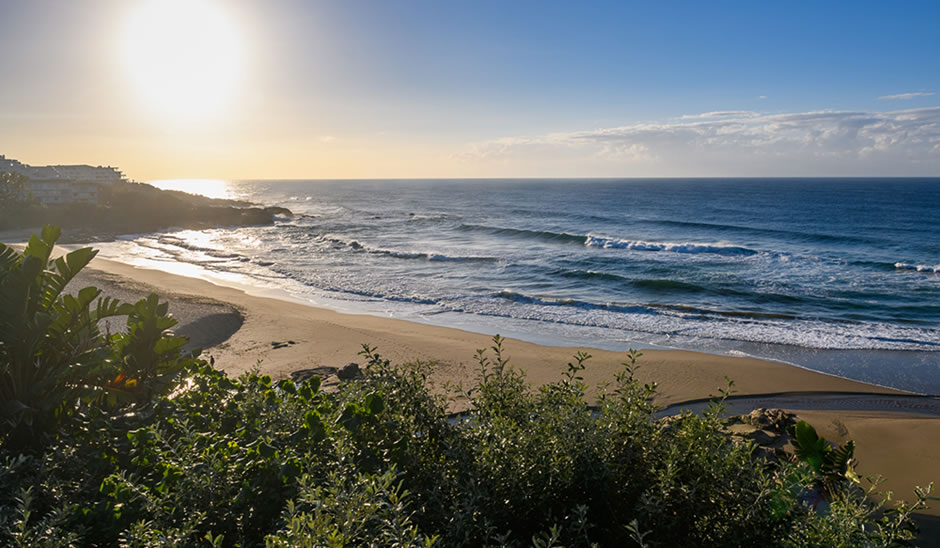
Image: visitkznsouthcoast.co.za
Stretching from Amanzimtoti to Port Edward, the KZN South Coast offers a combination of minimal boat traffic, deep ocean currents close to shore, and warm Indian Ocean temperatures, all ideal conditions for migrating whales.
The area’s subtropical climate, golden beaches, and elevated viewpoints make it a perfect setting for land and sea-based whale watching.
The entire stretch from Port Shepstone to Port Edward offers less crowded viewing points, perfect for tranquil observation.
Enjoy the view from land… or sea
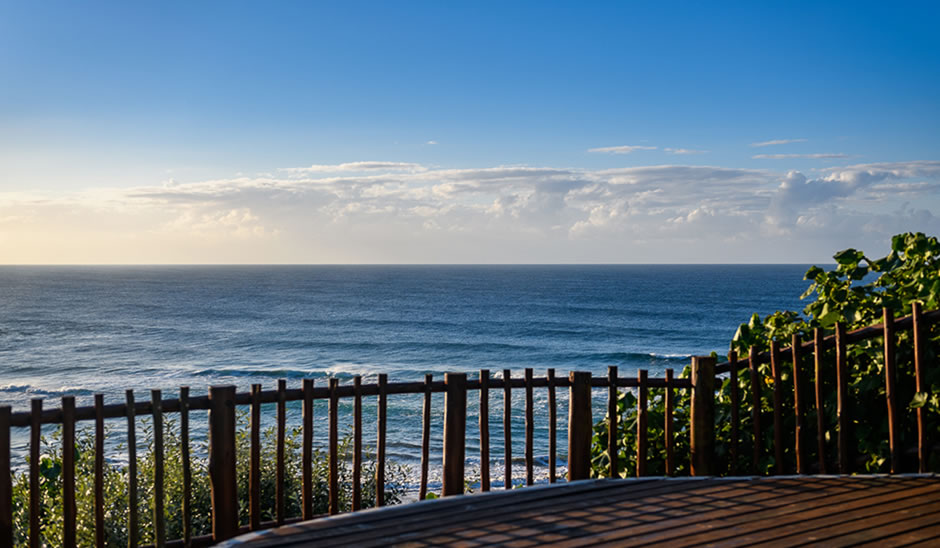
Image: visitkznsouthcoast.co.za
One of the joys of whale watching along the South Coast is that you don’t need a boat to enjoy it. Many lookout points provide panoramic views of the ocean, especially during the peak season. Here are some recommended spots for the 2025 winter season:
- Umtentweni Conservancy Lookout: Just north of Port Shepstone, this quiet bluff offers wide-angle views and is often used by local guides during the season.
- Ramsgate Whale Deck: Built specifically for whale watching, this deck is ideal for visitors hoping to snap that perfect photo.
- Pennington and Kelso beaches: Ideal for morning walks where whales are often visible near the backline.
Bring your binoculars, a camera with a zoom lens and sunscreen — even winter days can be bright and warm on the coast.
Boat-based whale-watching tours
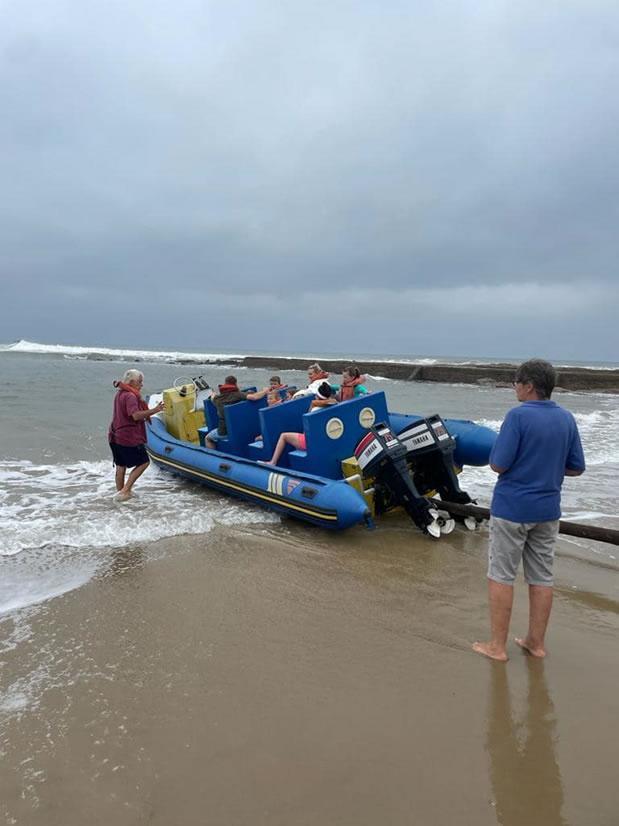
Image: visitkznsouthcoast.co.za
For those wanting a closer encounter, Oceans Alive offers epic ocean safaris launching from Scottburgh. These tours follow responsible tourism practices to avoid disturbing the whales, adhering to strict distance regulations set by South African marine conservation laws.
Baywatch Cruises at Shelly Beach is also a popular tour company. Boats are typically small, allowing for intimate encounters, and are operated by trained guides who provide educational commentary throughout the trip.
You may be lucky enough to catch the greatest shoal on earth
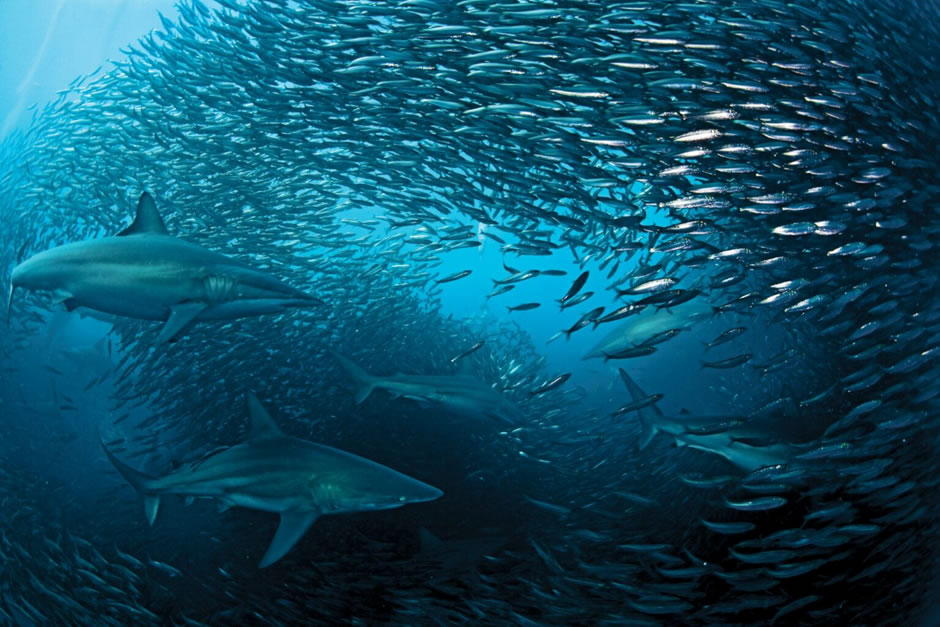
Image: Kwazulu-Natal Sharks Board
This time of year is also worth a trip to the coast for the Sardine Run & Whale Festival (June–July). Held around Scottburgh and Port Edward, this event celebrates both the arrival of the migrating whales and the famous sardine run. It’s a marine spectacle where dolphins, gannets, sharks, and whales feed on massive shoals of sardines.
The region is also home to several Whale Heritage Sites, globally recognized by the World Cetacean Alliance for their commitment to responsible and sustainable whale and dolphin tourism.
Conservation and Sustainability
South Africa is a signatory to various international marine conservation treaties, and the KZN South Coast plays an important role in these efforts. Local initiatives are focused on:
- Marine pollution cleanup
- Whale rescue training (for disentanglement of whales from fishing gear)
- Research partnerships with universities and conservation NGOs
Tourists are encouraged to respect marine wildlife, avoid littering, and support eco-certified tour operators.
Tips for whale watchers
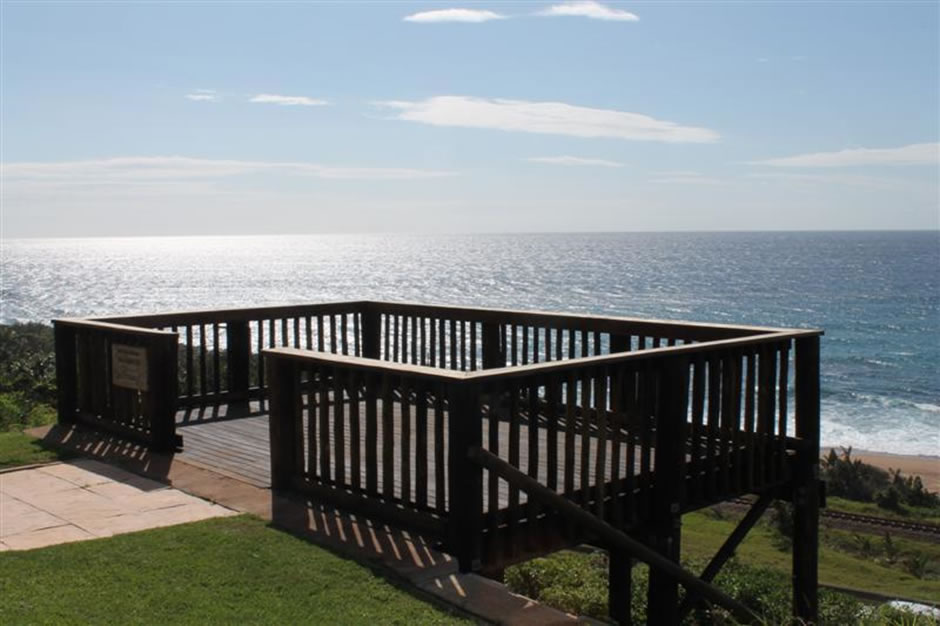
Image: visitkznsouthcoast.co.za
- Timing matters: Early mornings often provide calmer seas and better visibility.
- Use local guides: They know the best spots and times for sightings.
- Weather apps: Keep an eye on ocean and wind forecasts: sightings drop on rough sea days.
- Stay a few days: Whale sightings can be unpredictable; longer stays increase your chances.
- Combine experiences: Pair whale watching with snorkelling, diving, forest hikes in Umtamvuna or game viewing and ziplining at Oribi Gorge.
A natural wonder not to be missed
Whether you’re a seasoned marine wildlife enthusiast or simply someone who appreciates the awe of nature, the 2025 whale watching season on the KwaZulu-Natal South Coast promises unforgettable experiences. It’s more than just spotting a whale —it’s about witnessing a migration that has occurred for millions of years, in one of the most beautiful and biodiverse corners of South Africa.
So pack your binoculars, charge your camera, and head to the South Coast this winter… you might just catch a breach that takes your breath away.
ABOUT THE AUTHOR
Sasha Wyatt-Minter